



Updated: Sep 23
The Smarter Supply List: Better Back-to-School Picks for Classrooms, Backpacks, and the Planet
There is something about back-to-school shopping that still gets me. I am in my 20s. I am in grad school. I buy my own groceries, pay my own bills, and now fully understand why adults used to sigh while standing in the school supply aisle.
But… Give me a fresh notebook, a pretty pen, and an excuse to wander past a wall of colorful folders and I am suddenly eight years old again.
Some of my favorite back-to-school memories are shopping with my grandparents. My grandmother was a teacher, so our supply runs were a two-for-one operation: her classroom and my backpack. There were pencils, paper, folders, markers, and probably at least one thing I absolutely did not need but deeply believed would help me be the best version of myself at school.
Now that I am paying for everything myself, though, I look at back-to-school shopping a little differently. I still love the fresh-start feeling. I just also notice the price tags, the packaging, and how quickly some of those shiny new supplies turn into trash.
So I have been thinking about how to keep the fun without buying a mountain of stuff I do not need.
Because kids should get excited about choosing school supplies. Teachers deserve things that make their classrooms work. College students need gear that survives long days and longer semesters. And grad students like me would ideally like to accomplish all of the above without draining our bank accounts or the
planet.
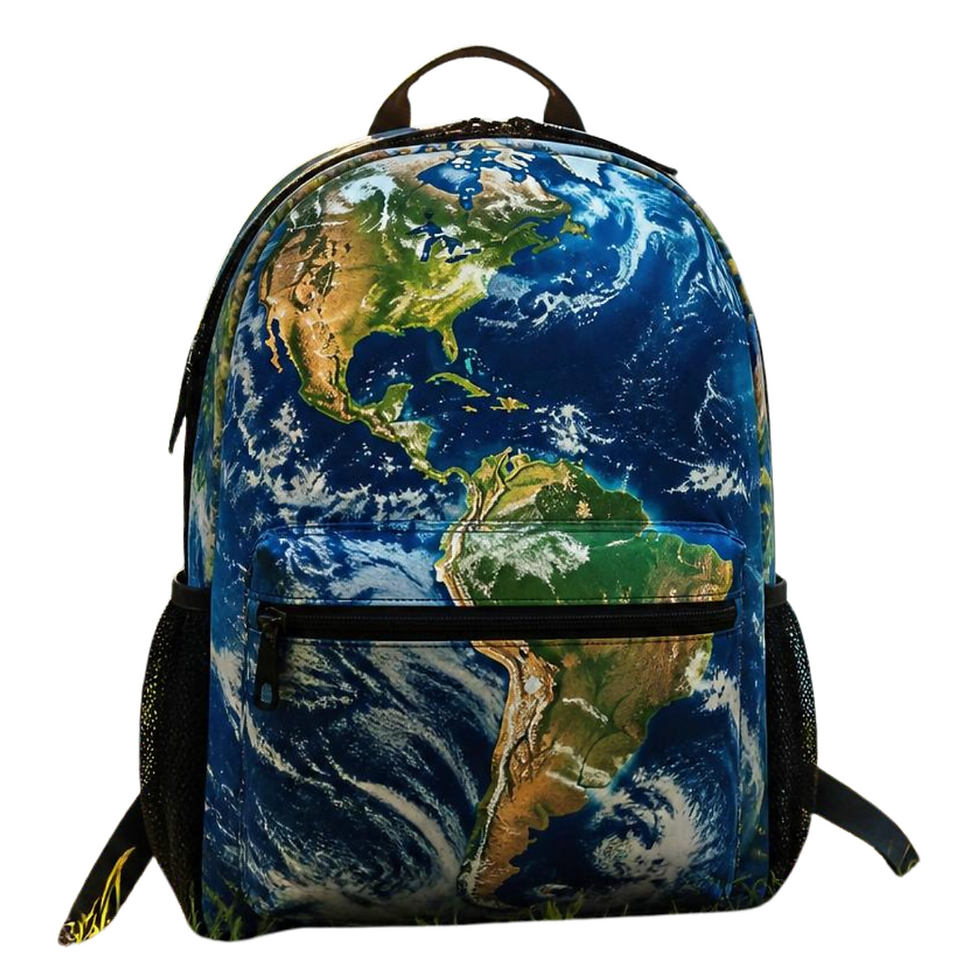
Here is my smarter supply list.
First, Keep the Fun Part
I am not here to tell a six-year-old that selecting a sparkly pencil case is an irresponsible consumer choice.
That is how you get booed out of the school supply aisle.
Picking out new school supplies can make school feel exciting. It gives kids some ownership over the year ahead, especially when starting a new grade, new school, or new routine.
So instead of eliminating the fun, give it some boundaries.
Field Tip: Let kids choose a “special few.” Start by reusing whatever still works from last year, then let kids choose one or two new things they are genuinely excited about.
Maybe it is a new lunchbox. A notebook. A folder with a capybara wearing sunglasses. (Because, obviously.) Whatever speaks to them.
The goal is not “nothing new.” The goal is making the new stuff feel special instead of automatic.
Pre-K and Elementary School: Durable Beats Adorable
For younger kids, school supplies go through things. Glue gets smashed. Crayons get snapped. Water bottles roll under playground equipment. Backpacks are dragged across surfaces no textile was ever meant to encounter. This is where durability matters.
Look for washable, sturdy, easy-to-open items rather than complicated gear with lots of breakable parts. If a teacher gives you a specific supply list, stick to it. Teachers usually know exactly what works in their classrooms.
Middle and High School: Buy for the Actual Student
This is around the age when personal style really starts entering the chat.
A teenager may care a lot more about what their backpack or notebook looks like, and honestly, I get it. Rather than fighting that, steer the fun toward items they will use constantly.
A durable backpack in a color they love? Great. A notebook they are excited to carry? Sure. A reusable water bottle that is actually their style? Much more likely to leave the house every morning.
This is also a great age to introduce the idea of buying fewer, better things. A solid binder or backpack that lasts several years often makes more sense than replacing cheap versions every fall.
College Students: Your Backpack Is Basically Your Office
College was when school supplies stopped being cute and started carrying my entire life. Laptop. Charger. Pens. Notebook. Water. Snacks. Headphones. Emergency granola bar.
The big sustainability win here is longevity. Choose a backpack that is comfortable and built to last. Reuse notebooks whenever possible. Skip buying a separate item for every class until you know what each professor actually requires.
As for textbooks? Many can be found as digital editions, or you can shop for used online. You might get lucky and get a book previously used by a very diligent note-taker. Bonus.
Reusable food containers, coffee cups, utensils, and water bottles can also make a big difference when you are on campus all day. That Starbucks run won’t be nearly as tempting.
Grad School: Welcome to the “Do I Really Need This?” Era
Grad school has made me ruthlessly practical. Will I use this?
Do I already own one? Can I find it secondhand? Can I borrow it? Is this going to help me survive a three-hour seminar?
For grad students, the best school supply strategy may simply be buying less upfront. Use what you have until you figure out what your program actually demands. Check campus reuse programs, department swaps, library lending systems, and secondhand marketplaces before buying specialty items.
Teachers: My Grandmother Knew the Assignment
Because my grandmother was a teacher, I learned early that back-to-school shopping is not just about students. Teachers are often stocking an entire room. Paper. Pencils. Markers. Storage bins. Books. Tissues. Art supplies. Classroom decorations. Things students forget. Things nobody budgeted for. It adds up fast.
For teachers, reuse and community sourcing can be especially useful. Check school supply closets before buying. Swap materials with other teachers. Look for creative reuse centers, neighborhood giveaway groups, and donated office supplies.
Shop Your House Before You Shop the Store
This is probably the least glamorous tip in this entire article, and also the one most likely to save money. Before buying anything, gather last year's supplies. Test the markers. Sharpen the pencils. Flip through the notebooks. Wash the lunchbox. Check the backpack zippers.
You may discover that you already have 60 percent of what is on the list.
And no, using a partially filled notebook from last semester does not make you less prepared. Just saavy.
Refillable, Reusable, and Recycled Are Your Friends
When you do need something new, look for options designed to stay in use. Refillable pens can cut down on waste. Reusable lunch containers and utensils can replace disposable bags and plastic cutlery. Notebooks and folders made with recycled paper are widely available.
For paper products, certifications such as the Forest Stewardship Council can also help identify products made with fiber from more responsibly managed sources. You can learn more at: www.fsc.org
You do not have to overhaul every item you buy. Even choosing a few reusable or recycled options is a start.
Secondhand School Supplies Are Surprisingly Good
I think we sometimes treat school supplies like they come with an expiration date. They do not. Binders, backpacks, calculators, desk organizers, dorm supplies, art materials, and even unopened notebooks often show up at thrift stores, neighborhood swaps, campus reuse programs, and creative reuse centers.
Search “creative reuse center” plus your city.
Fair warning: these places can be extremely fun if you are the kind of person who gets excited about bins of random craft supplies. (Hello, that’s me.)
Do Not Replace Something Just Because the New Version Is “Greener”
You can find bamboo rulers, recycled backpacks, plant-based pens, and all kinds of products marketed as better for the planet. Some of them may be great. But if you already own a perfectly functional ruler, backpack, or pen, the greener option is using the thing you have.
The goal is not to build the most environmentally impressive pencil case.
It is to buy thoughtfully and keep things in use longer.
Make a Smarter Supply Tradition
Back-to-school shopping meant something to me growing up because it was not just about buying stuff. It was time with my grandparents. It was getting ready with my grandmother while she prepared her classroom. It was the feeling that something new was about to begin.
I still love that feeling. Now I just want a version that makes sense for my budget and the world I am living in.
So keep the tradition. Let kids pick something ridiculous. Get excited about the new notebook. Take the first-day-of-school picture.
Just maybe check the junk drawer first.
The Smarter Back-to-School Checklist
Before buying something new, ask:
Do we already have one?
Can we repair, clean, refill, or reuse it?
Will it last beyond this school year?
Could we buy it secondhand?
Is there a recycled or reusable option?
Will my student actually like and use it?
And yes, I will probably still buy myself a new notebook this year. I hear there’s one with a capybara wearing sunglasses.


